Text

Hear from the key take-aways of 'The Nordic challenge – getting people moving! – 21-22 April 2026 in Helsinki, Finland'

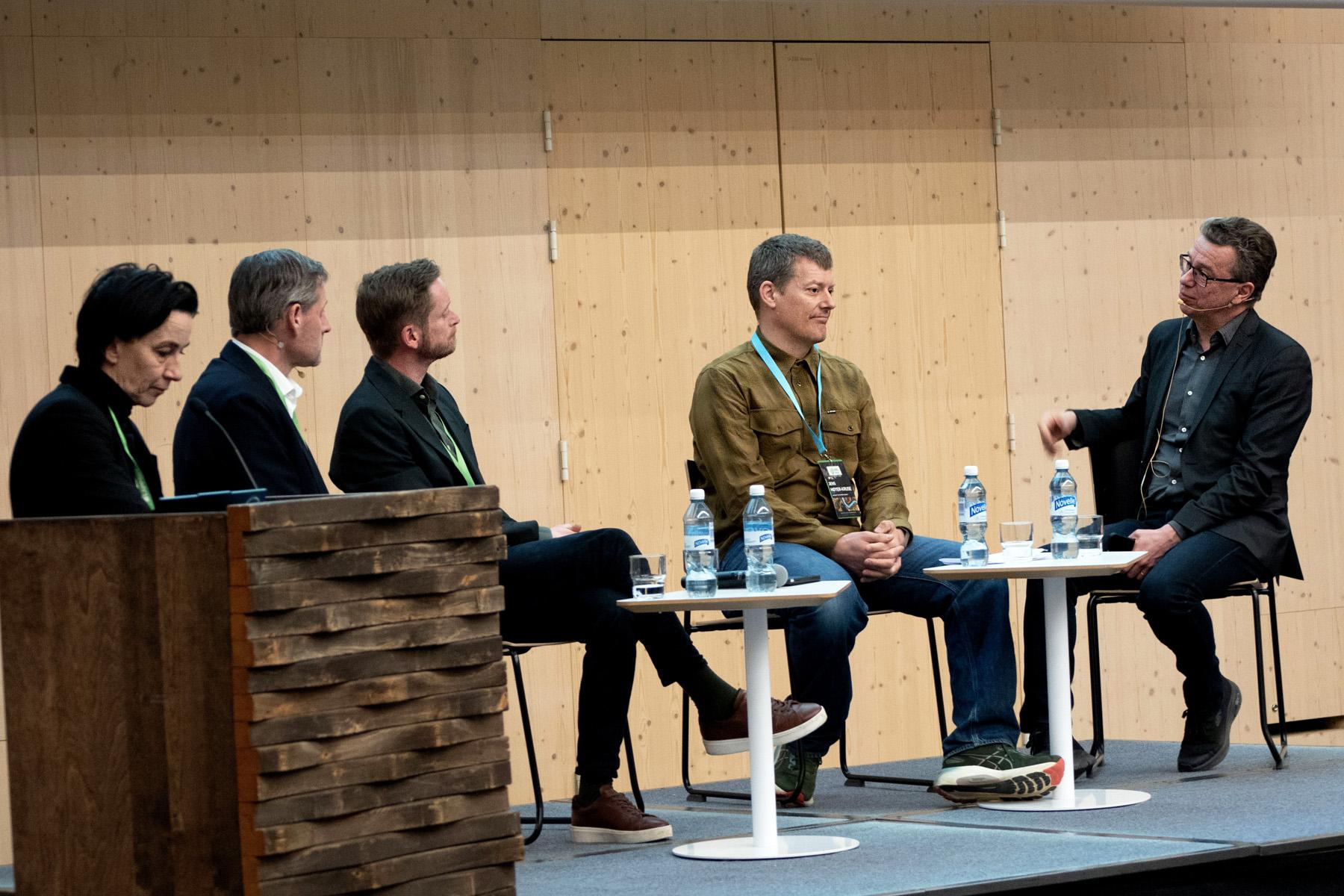
In an era where sedentary behaviour has become a global public health issue, more than 140 urban planners, architects, municipalities, and researchers gathered in Helsinki to discuss how we can integrate more movement into everyday life.

The IAKS Nordic conference ‘The Nordic challenge - getting people moving!’ brought together participants from across the Nordic region. It demonstrated that solutions are often found where we least expect them: in the way we design our cities, how we involve target groups, and how we redefine the very concept of a sports facility.

Preview image
Bild
2026 Helsinki The Panel 1200x

(c) Annika Banyay Tiverman

Content
Text

The growing gap of physical activity

Image
Bild
2026 Helsinki Aspudden 1200x

(c) Annika Banyay Tiverman

Text

A central insight from the conference was that physical activity levels in the Nordic countries are not necessarily decreasing. Instead, the gap is widening between those who are active and those who are not.

Urban planning plays a decisive role here. Instead of simply asking what we should build, we must begin to ask why, for whom, and where we build. A clear example comes from Denmark, where physical activity outside of organised club sports increased significantly during the pandemic. Despite a slight decline afterwards, levels remain higher than before COVID-19, proving that people are ready to move if opportunities are available where they live and spend their time.
 

Text

Creative solutions in the urban grid

Image
Bild
2026 Helsinki Peter Ahlstrom_André Flatner

(c) Annika Banyay Tiverman

Text

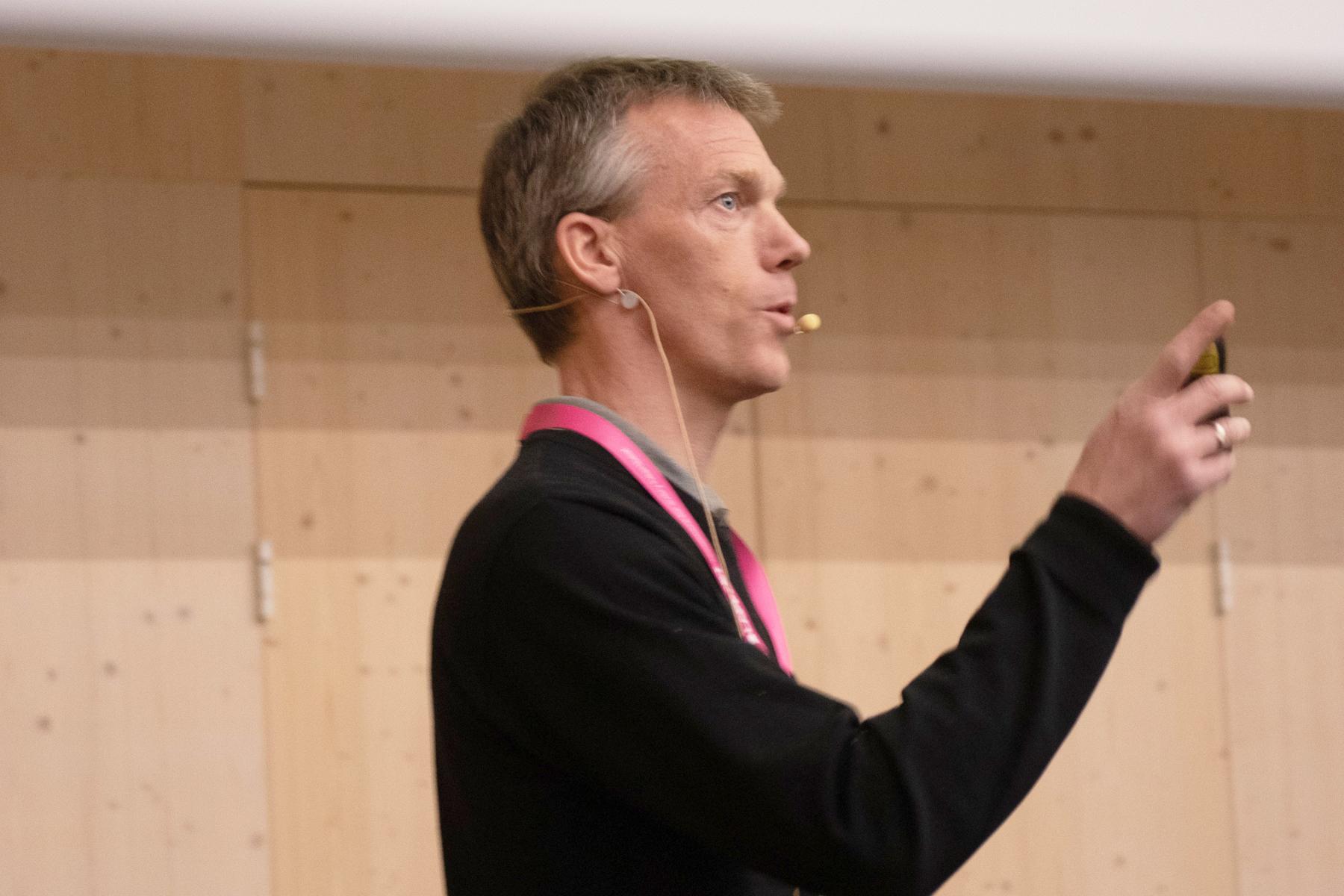
Several speakers highlighted how multifunctional spaces can be the key to increased movement. In Rabalderparken in Roskilde, Denmark, climate adaptation has been combined with the joy of movement. The park, designed to manage rainwater, transforms into a dynamic activity space when dry – featuring skate parks, trampolines, fitness equipment, and playgrounds. Even when the basin is filled with water, the park invites movement as visitors can hop across concrete stepping stones in the channel.

Similar examples were presented from Sweden, where the Municipality of Uppsala emphasised the importance of ‘planning for football’ rather than just ‘building a football pitch’. By creating flexible spaces along cycle paths or within the urban fabric, more people can be nudged towards spontaneous activity. Experts demonstrated how non-standardised solutions – such as converting the roofs of multi-storey car parks into activity parks – can reach groups that do not typically participate in organised sports.

Text

Inclusion through participation and trust

Image
Bild
2026 Helsinki Lisa-Mari Watson

(c) Annika Banyay Tiverman

Text

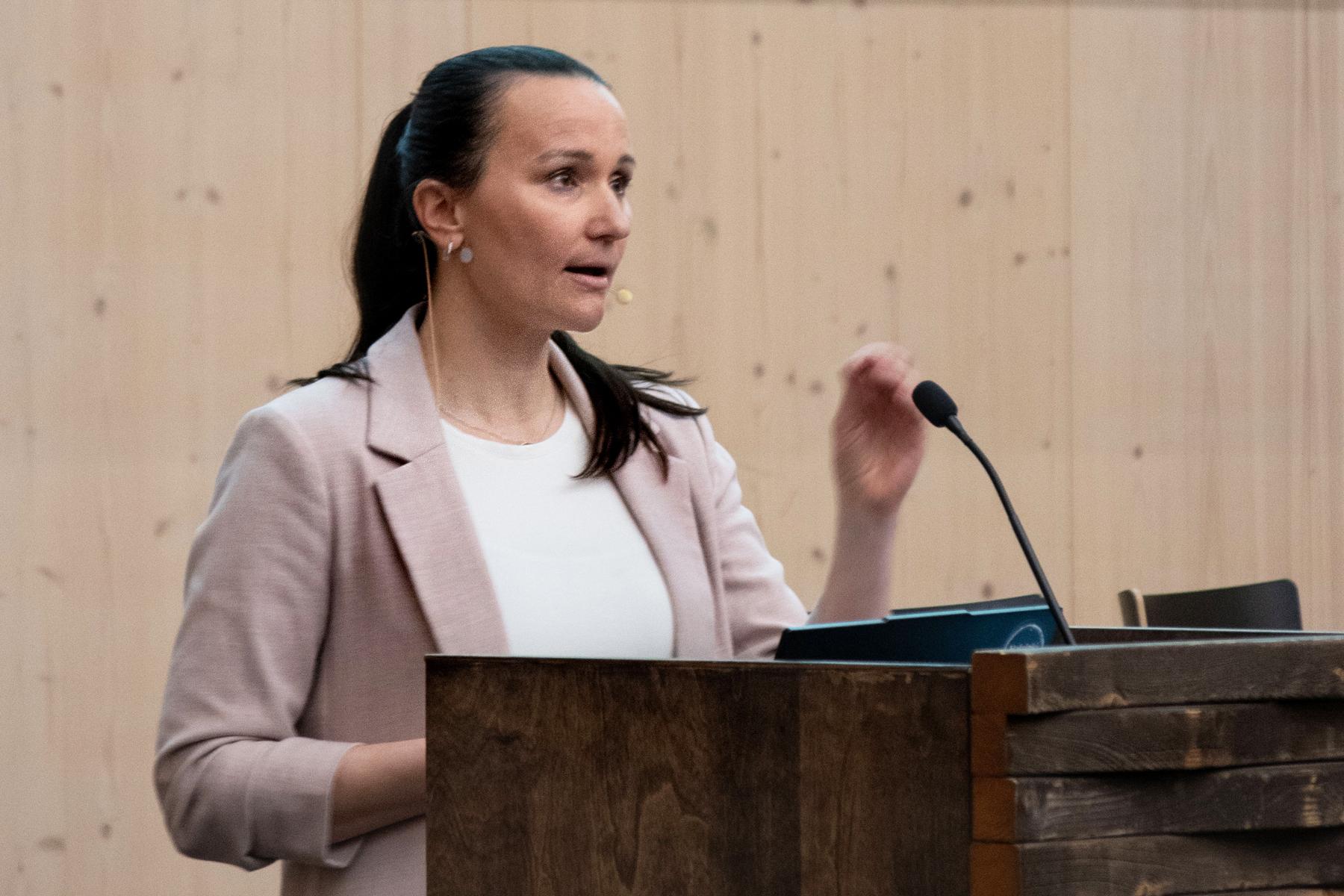
A recurring question during the conference was how to reach those who are not yet active. The importance of involving target groups early in the planning process was highlighted. Experts Mike Lawless (Director, LA Architects) and Lisa-Mari Watson (Managing Director, Tverga) noted that asking ‘What do you want?’ rarely yields useful answers. Instead, we must ask: ‘Who is not coming here? Why aren't they coming? And what would make they come?’

An inspiring example is the ‘Positive Future’ programme in Wales, which targets children and young people in socio-economically disadvantaged areas. By providing safe spaces, non-judgemental staff, and a focus on relationships rather than performance, they have succeeded in creating a sense of security and belonging. Financial means should not be a barrier.

In Finland, the Malminkartano Activity Hall and Tapanila Sport Centre in Helsinki show how accessibility and diversity can create social hubs. At Malminkartano, participation is free, and activities range from sports and music to crafts and quiet socialising – a place where multiple generations meet and feel they belong.


Text

Nature and flexibility as tools

Image
Bild
2026 Helsinki Casper Lindemann

(c) Annika Banyay Tiverman

Text

Another vital insight was that nature can be just as important a ‘sports facility’ as an indoor hall. In Denmark, where forests are scarce, new woodlands are now being planted specifically for physical activity. Casper Lindemann (Consultant, National Olympic Committee and Sports Confederation of Denmark) showed how trail centres and outdoor pavilions can attract those who do not identify with traditional sports culture.

Petri Kontukoski (Kontukoski Architects) from Finland underlined that we must build movement into everyday environments instead of creating separate spaces for ‘special groups’. Flexible and multifunctional environments – which can be used for everything from spontaneous sports to social events – reach significantly more people.

Text

Movement for all

Future solutions for physical activity are not about expensive facilities or standardised templates. They are about creativity, participation, and seeing opportunities where others see obstacles. We can bridge the gap between the active and the inactive by:

  • Thinking innovatively – utilising existing spaces in new ways
  • Involving target groups – listening to those who are not yet active
  • Building trust – through safe environments and engaged staff
  • Utilising nature – as an accessible and inclusive arena.

Most importantly, we can make movement a natural part of everyday life – for everyone.

Text

Helsinki Olympic Stadium: A historic arena with future-ready solutions

Image
Bild
2026 Helsinki_ Olympic Stadium

(c) Annika Banyay Tiverman

Text

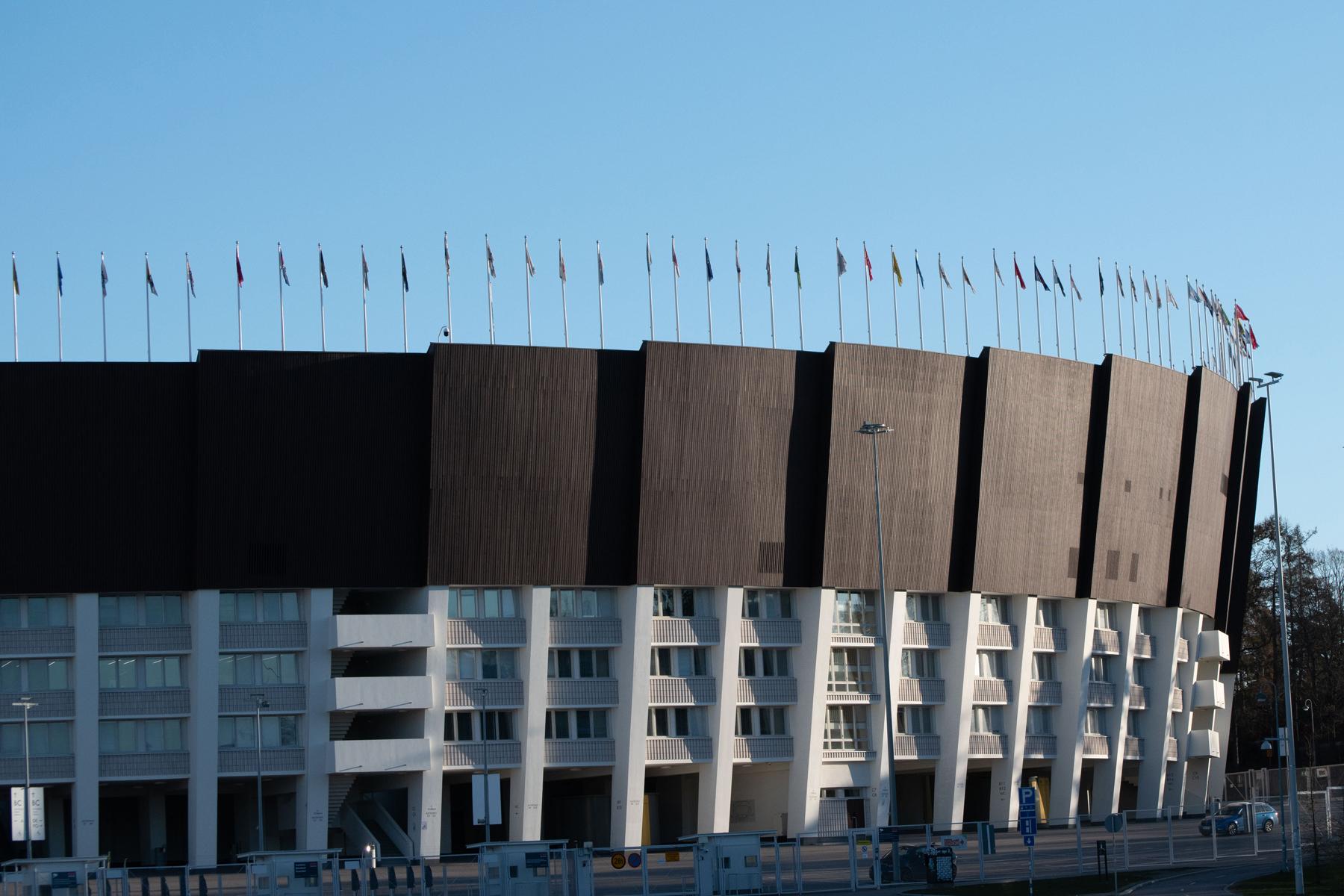
In connection with the conference, participants were given a tour of the Helsinki Olympic Stadium, an iconic building with a fascinating history. Built in 1939 in a Functionalist style, it was originally intended to host the Olympic Games that same year. However, the second world war intervened, and it wasn't until 1952 that Helsinki finally hosted the Games.

In the 2000s, the stadium underwent an extensive yet sensitive renovation to meet modern requirements for safety, accessibility, and functionality. One of the most exciting additions is the underground section, which now houses running tracks and a modern sports hall. The tour provided a unique insight into how a historic arena can be adapted to contemporary needs – without losing its soul.